artist, activist, and author
An art installation exploring the idea of
My Solo Exhibition at Lechwe Art Gallery, Lusaka Zambia
“Art is the ritual rearrangement of dirt both physical and psychic to ameliorate death.”
I am proud to tell you, my readers, that I have been honoured with an exhibition in the Lechwe Art Gallery, Lusaka Zambia in October 2026. The Lechwe Trust was created by my loved friend Cynthia Zukas with the support of other dear friends, Bente Lorenz, Henry Tayali and Joan Pilcher. The Curator of my exhibition is Sana Ginwalla of the Everyday Gallery in Lusaka. Sana and I will work with William Miko, Andrew Chifita and Mary Zulu at Lechwe. I look forward to seeing many friends and artists, old and new there. You are all invited.
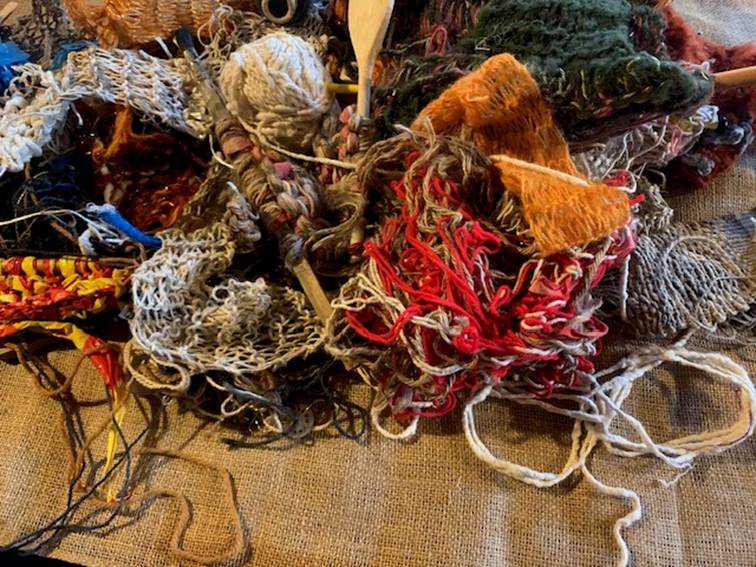
My art explores political and personal change by untangling, unknotting and unravelling ideas and materials to make art.
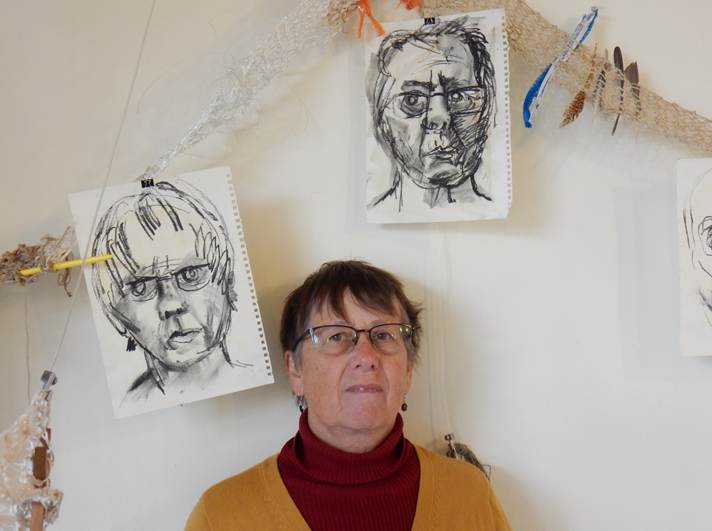
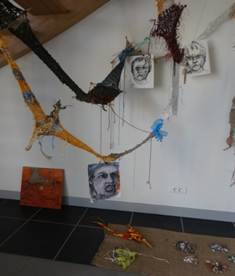
My creative work and experience owe everything to my time in Zambia.
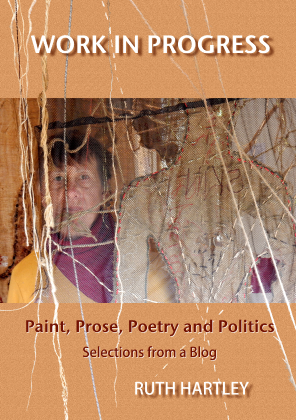
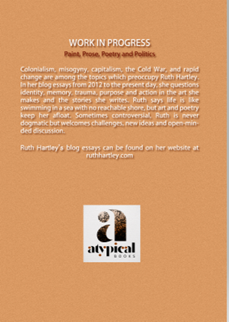
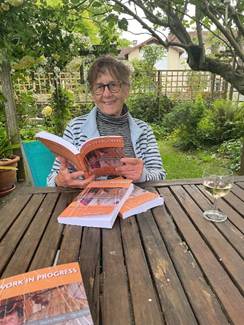
My 10th. book, Work in Progress, Paint, Prose, Poetry and Politics, has just been published to coincide with my exhibition. It is a collection of my blog posts from my website that are about the creative process of storytelling and making art.
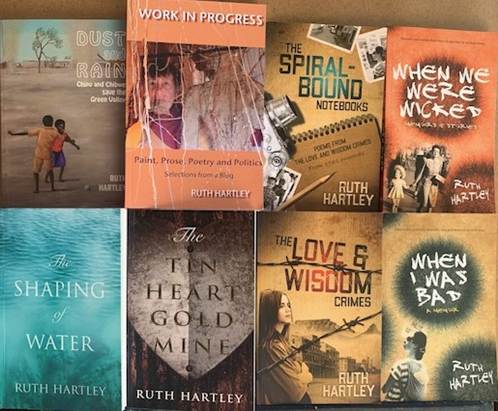
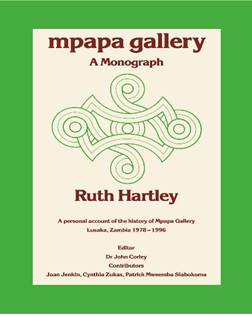
I began writing poetry at school in the 1960s. I’ve published 10 books since 2014, including the Mpapa Gallery Monograph in 2024. Dust and Rain, Chipo and Chibwe save the Green Valley, conceived in 1993, was published by Gadsden Books, Zambia in 2022. My books have powerful themes and some are about the making of art.
“Painting is not done to decorate apartments. It is an instrument of war for attack and defence against the enemy.”
Pablo Picasso
It was Zambian artists who helped me realise the significance of Picasso’s statement. Art is not about the two-dimensional framed art that is taught at art schools. It is about the dangerous exploration and expression of the spiritual and metaphysical world that all humans inhabit.
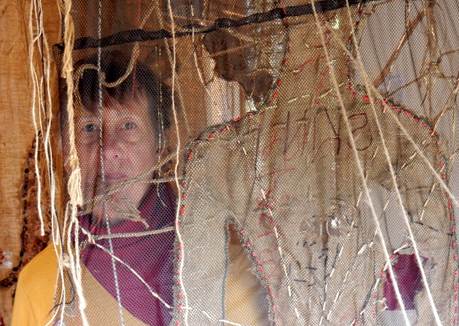
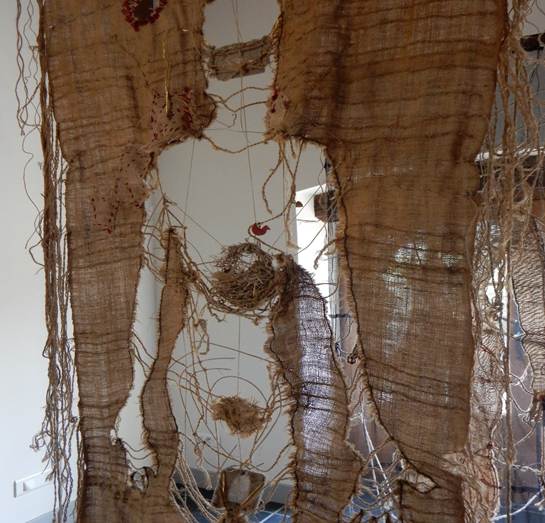
In 1996 I began working on Spiderwoman, an installation made of hessian and found pieces to explore the exterior and interior, spiritual and materials connections that join us by inextricable threads to people, the outside world, our inner selves and our lives and deaths. Spiderwoman continues to metamorphose into new art forms.
My interest in political change in Africa began at school and university and continued in London in 1966, where I took part in anti-Vietnam war demonstrations and joined the Women’s Movement.
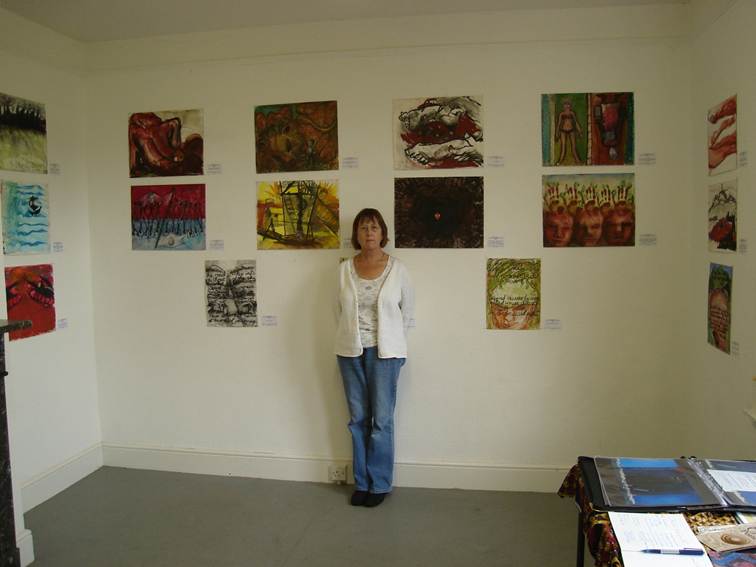
The “true” History of my Family disentangles the difference between the colonial history and post-colonial history. I started to make installations after visiting the 1989 Havana Biennale in Cuba.
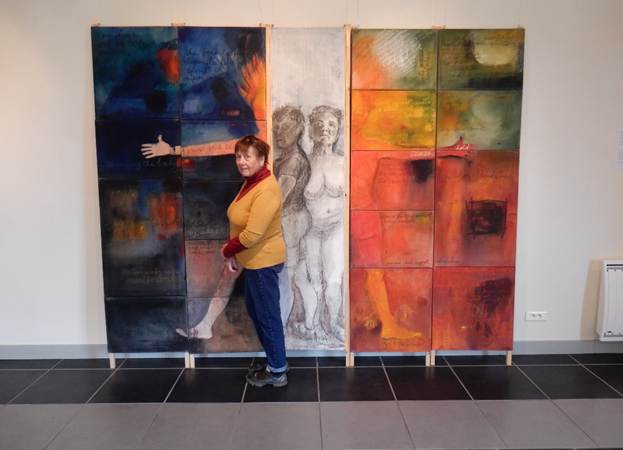
“We invent ourselves as mythic beings, but we aren’t certain of the place or existence of our souls.”
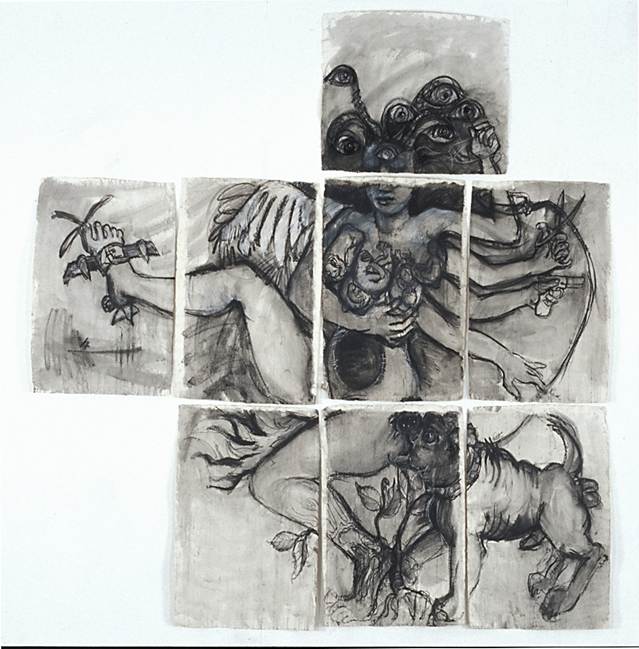
I’ve had many studios and enjoyed being part of Artworks Studios in Cambridge and going to Triangle Mbile International Artists workshop in Zambia and to Issam Kourbaj’s experimental C workshops.
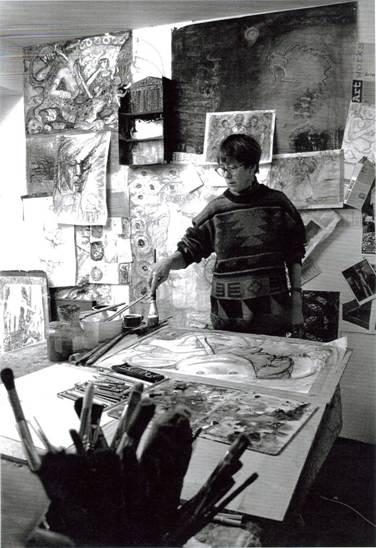
“Art and religion are rituals necessary for social hygiene”. Mary Douglas, Anthropologist, Purity and Danger
Krystyna Hamera and I worked together as Hamera and Hartley to put on two installations. One in St Peter’s Church and the second at New Hall College, Cambridge.
We are not only flesh and blood, but spirit and emotion and all of this is shaped by our memories and desires in a changing world. We can never reach a point when we can rely on fixed certainties. The value of making and remaking art is that it allows us to explore the fallout from our unravelling worlds and create new paths and ways to live and learn.

RaItz is five 2-metre-high paintings about the collapse of the World Trade Centre. The falling figure is in every painting even when there is no building from which to fall. It was shown in the Leper Chapel in Cambridge with a triptych about final messages.
My art is often in response to a human crisis like the Balkan war or a tragedy such as 9/11 or the migration from Syria.
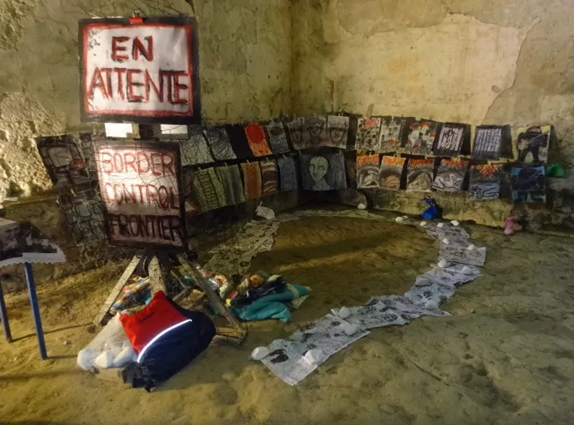
This untitled installation in the Mazeres St Jean-Bapiste church shows tattered maps with footprints on them on the ground. The drawings show the experiences of migrants leaving bombed homes and walking through bad weather to try and reach safety. At Border Control they find a sign on a mirror that says STOP.
A knot cannot be undone by pulling on either end of a thread. A knot can be undone by gently pushing it together to soften the thread and loosen its clutch on itself.
“- that catharsis par excellence called art both on the far and near side of religion – ”
1982 Powers of Horror. An Essay on Abjection Julie Kristeva